

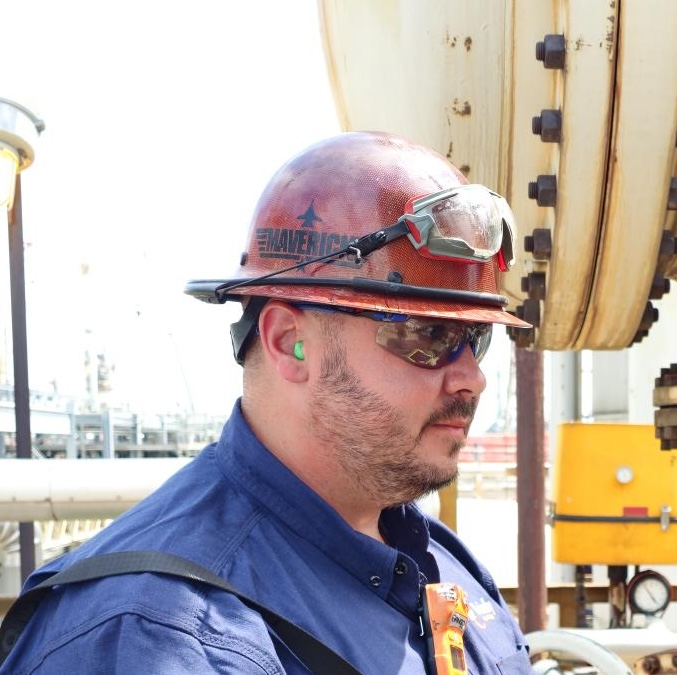
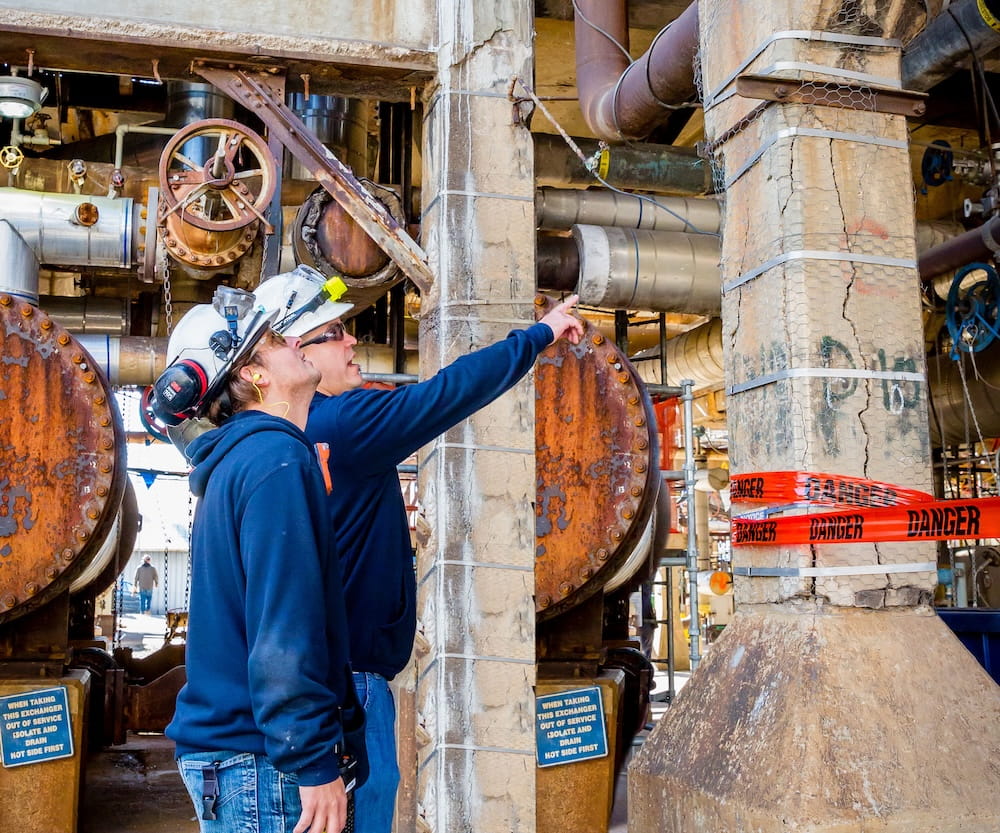
Meet Brindley Engineering’s Lead Inspectors: Justin Arnold and Thomas Twardowski. Part 3: Connecting to the Broader ACI Landscape


Welcome to Part 3 of our series, where we explore a broader trend across the American Concrete Institute (ACI) landscape toward greater emphasis on qualifications, certification, and demonstrated competency. Today, in the final part of our series, we will discuss some of those broader trends in the landscape.
In part 1 of our series we talked about as the concrete repair industry continues to evolve, owners, engineers, and contractors are increasingly asking an important question: Who is actually qualified to inspect concrete repairs in the field?
In part 2 of our 3-part series we talked about the recognition of ICRI CSRT within the ACI 562-25. But the inclusion of ICRI CSRT in the commentary of ACI 562-25 is not an isolated development. Rather, it reflects a broader trend across the American Concrete Institute (ACI) landscape toward greater emphasis on qualifications, certification, and demonstrated competency. Today, in the final part of our series, we will discuss some of those broader trends in the landscape.
ACI 562 is just one part of a much larger framework that governs concrete repair today. There is also:
- ACI PRC-201.2 – Guide to Durable Concrete
- ACI PRC-228.2 – Nondestructive Test Methods
- ACI PRC-506.4 – Shotcrete Evaluation
- ACI RAP-1 – Epoxy Injection
- ACI 318 – Structural Concrete
- ACI CT – Concrete Terminology
- ACI 563 – Repair Specifications
All these documents assume one critical thing: That qualified personnel are verifying the work. CSRT exists to meet that expectation.
Across the concrete industry, ACI certification programs have long been used to establish minimum standards for technicians, inspectors, and construction personnel. These programs help ensure consistency in workmanship, testing, and quality assurance across a wide range of concrete applications. The recognition of ICRI’s repair-focused certification aligns with this philosophy by addressing a specialized area that continues to grow in importance: the repair and rehabilitation of aging infrastructure.
Unlike new construction, repair projects often involve complex deterioration mechanisms, existing structural conditions, and compatibility considerations that require specialized knowledge. As owners increasingly prioritize extending the service life of existing structures, the need for qualified repair professionals becomes even more critical.
The integration of repair-specific qualifications into the broader concrete industry framework demonstrates a growing understanding that rehabilitation work demands its own body of expertise—not simply an extension of conventional construction practices.
Summing it Up
As the concrete repair industry continues to advance, one question is becoming increasingly clear: who is qualified to inspect concrete repairs in the field? The answer lies in individuals who have demonstrated repair-specific knowledge and competency through recognized training and certification. The formal recognition of the ICRI Concrete Surface Repair Technician (CSRT) certification in the commentary of ACI CODE 562-25 underscores the industry’s growing commitment to qualified personnel as a critical component of successful repair projects. It also reflects a broader movement across the ACI landscape toward emphasizing competency, standardization, and quality assurance throughout the concrete industry.
By investing in certified repair technicians, owners, engineers, and contractors are not only improving project quality—they are reducing risk, increasing confidence in field inspections, and helping ensure that concrete repairs achieve their intended performance and service life.
Concrete repair is no longer informal. It’s regulated, specified and increasingly enforced. ICRI-certified repair technicians provide:
- Defensible inspection
- Reduced risk
- Better long-term performance
From risk to reliability: that’s the role CSRT plays.
Justin Arnold brings over 15 years of experience working across new construction, turnarounds, shutdowns, and both small and large capital projects, filling roles from field inspector, QC, QA, supervisor and project manager.
Thomas Twardowski brings over 13 years of industrial experience across petrochemical, industrial, civil, and critical facilities such as hospitals. A lot of his work has focused on field execution, seeing firsthand how concrete repair decisions play out long after the paperwork is done.
- Get in touch today to talk more about concrete repair!
- Read Part 1 of our series: Who is actually qualified to inspect concrete repairs in the field?
- Read Part 2 of our series: Why Recognition in ACI CODE 562-25 Matters
Share this post