

Top 5 Questions Facilities Managers Should Ask About Concrete Inspections



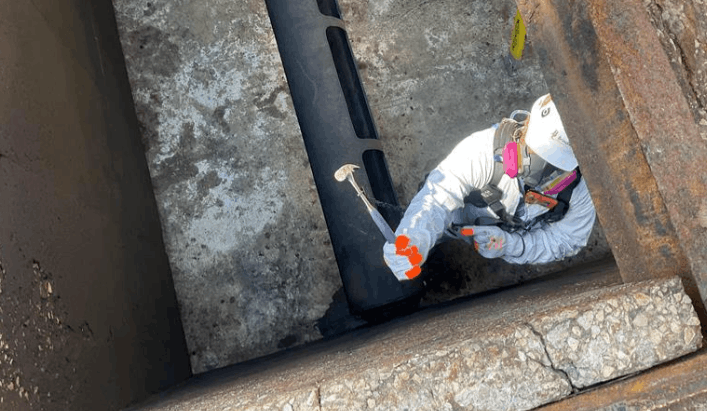
Concrete structures are often overlooked until a problem becomes impossible to ignore. Whether it’s a manufacturing facility, warehouse, parking structure, wastewater plant, or commercial building, concrete plays a critical role in maintaining safe and reliable operations. Regular inspections help identify deterioration early, reduce repair costs, and extend the service life of structures.
Here are five important questions every facilities manager should ask about concrete inspections and concrete repair. Also facility managers should reference Inspection programs developed using guidance from organizations such as American Concrete Institute (ACI), and International Concrete Repair Institute (ICRI).
1. How Often Should Concrete Be Inspected?
There is no one-size-fits-all inspection schedule for concrete structures. The appropriate inspection frequency depends on several factors, including the age of the structure, environmental exposure, loading conditions, regulatory requirements, and the consequences of failure.
As a general best practice, facilities should conduct annual visual inspections to identify obvious signs of deterioration. More comprehensive assessments performed by qualified engineers are often recommended every few years, particularly for critical structures or facilities operating in harsh environments.
Additional inspections should also be considered following:
- Major weather events such as floods, hurricanes, or severe freeze-thaw cycles
- Vehicle or equipment impacts
- Chemical spills or increased chemical exposure
- Significant operational or loading changes
Routine inspections provide valuable baseline information and help facility teams address small issues before they become costly structural repairs.
2. What Are Common Signs of Concrete Deterioration?
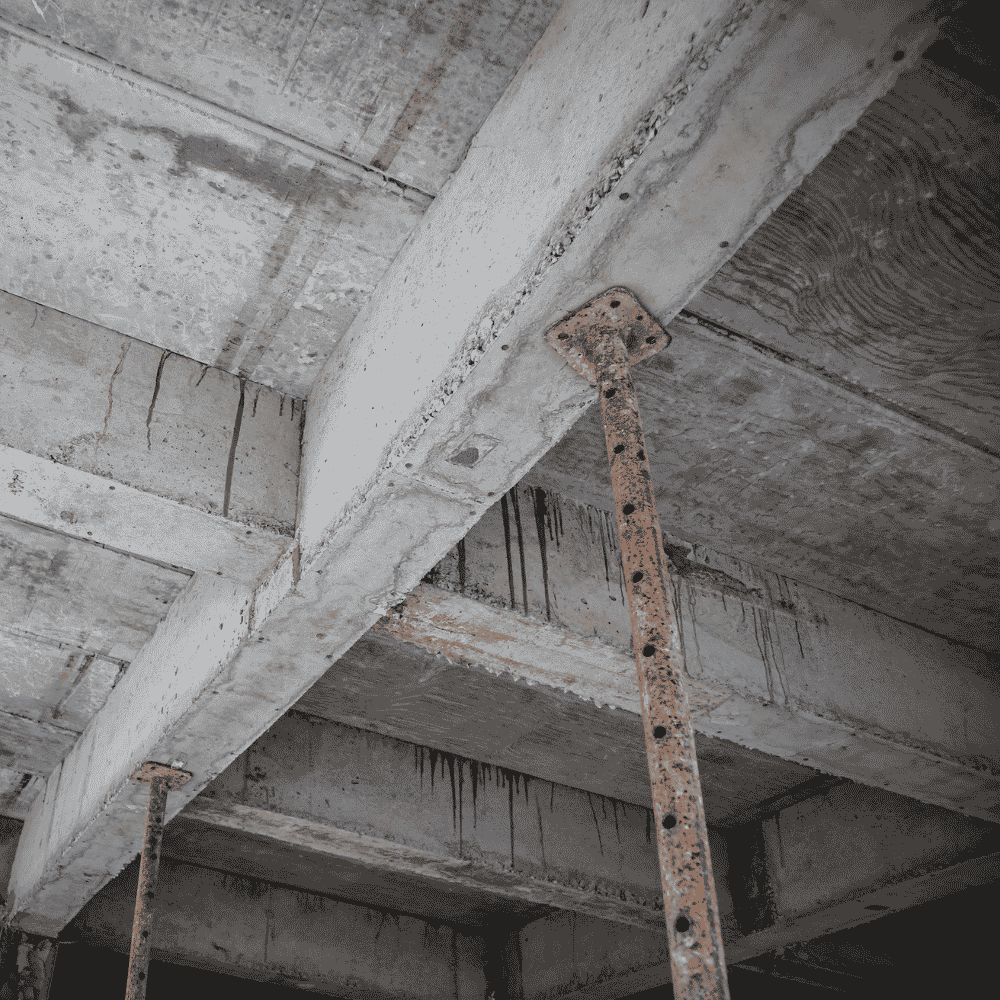
Many concrete problems develop gradually, making early detection critical. During inspections, facilities managers should watch for several common warning signs that may indicate deterioration is occurring.
These include:
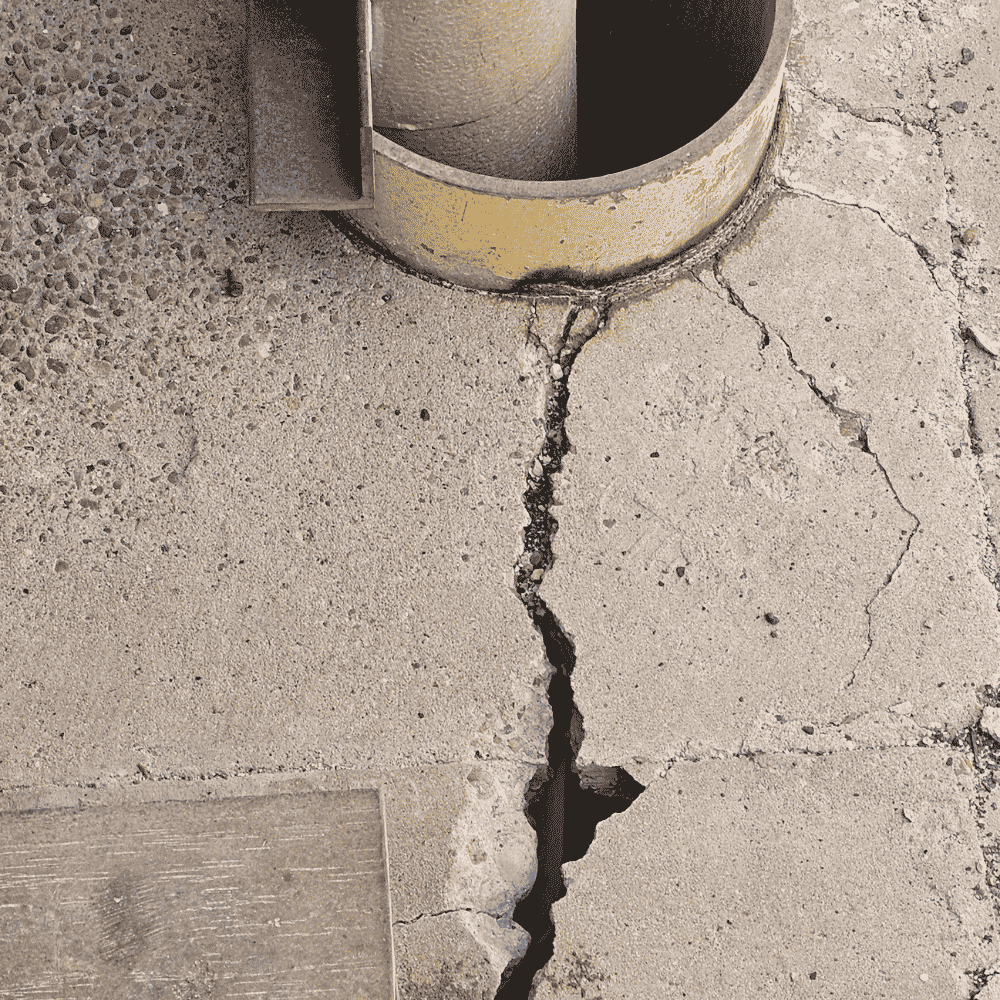
- Cracking
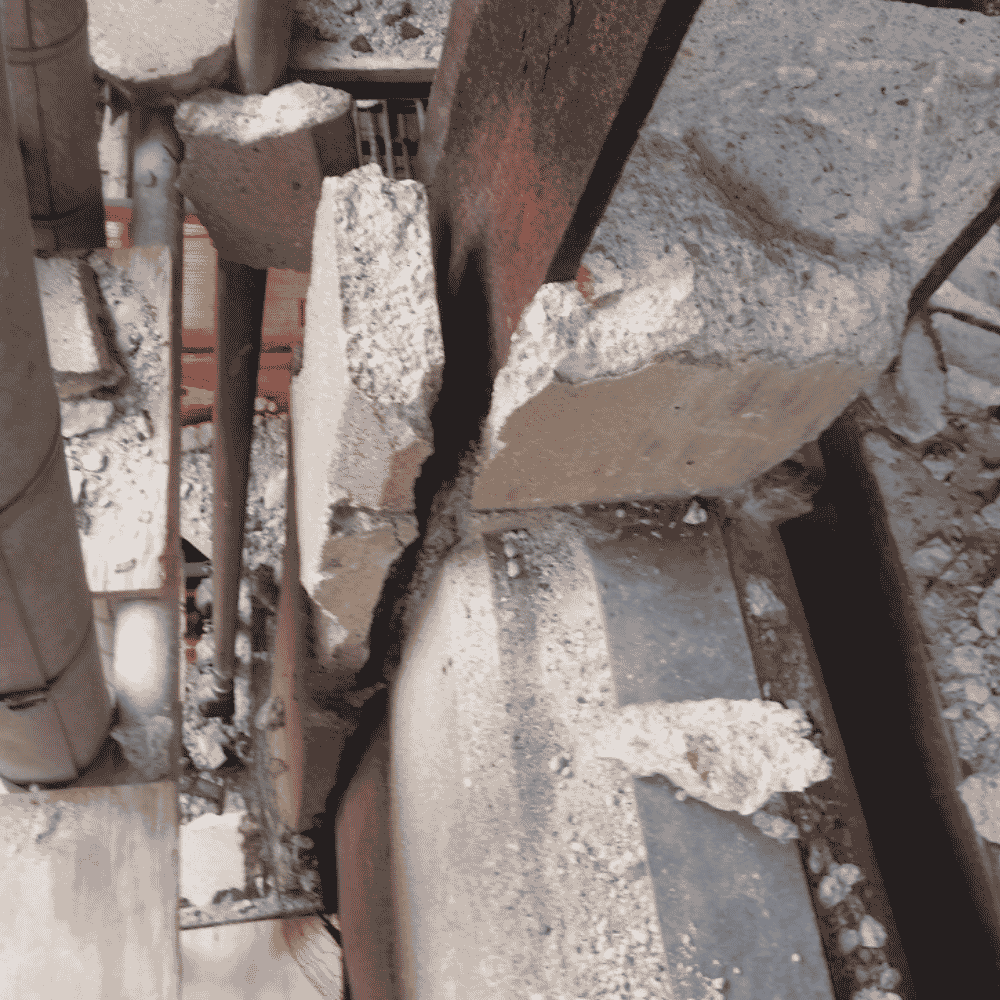
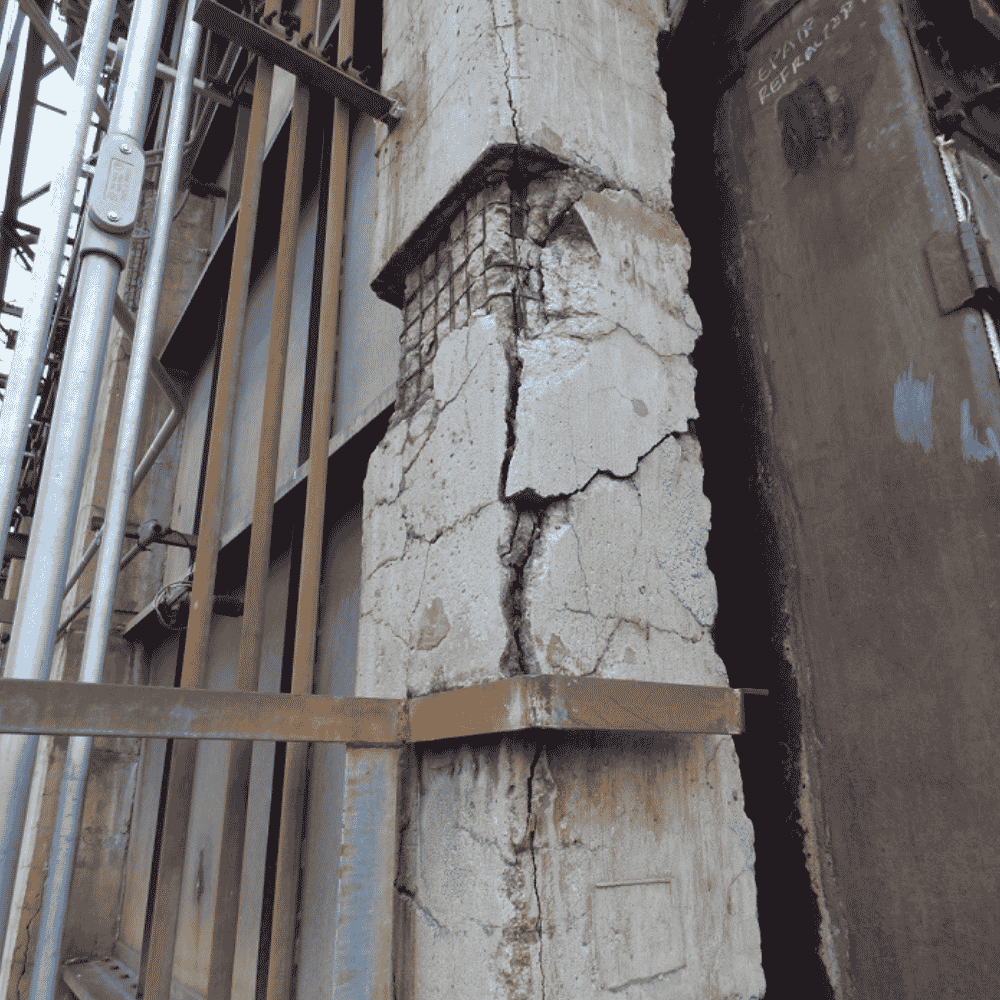
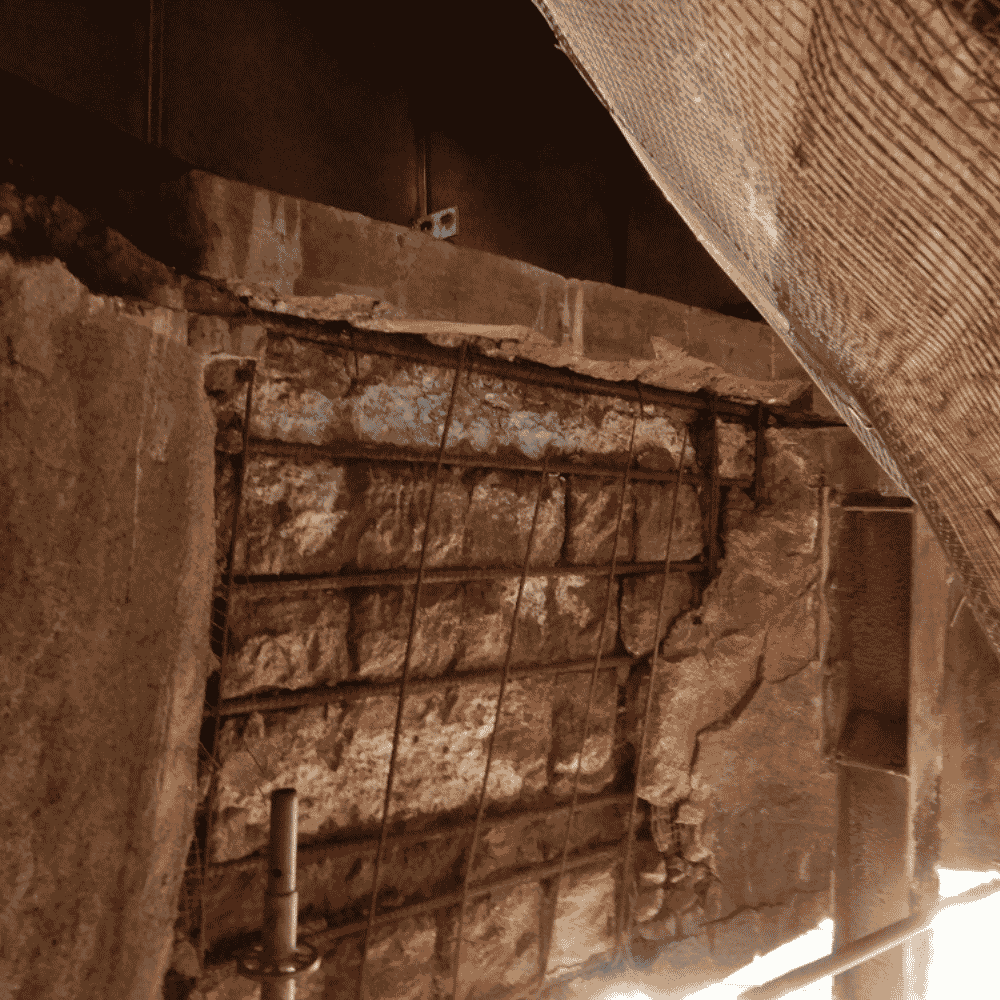
- Spalling (surface concrete breaking away)
- Delamination (separation of concrete layers)
- Corrosion staining or rust discoloration
- Exposed reinforcing steel
- Surface scaling
- Water intrusion or persistent moisture issues
- Uneven settlement or movement
While not every crack or defect represents a structural concern, these conditions often signal underlying issues that warrant further evaluation. Identifying and documenting deterioration early can help prevent accelerated damage and unexpected failures.
3. What Concrete Repairs Are Most Common?
The type of concrete repair required depends on the cause and extent of the deterioration. Some of the most common concrete repairs include:
- Crack Repair: Cracks may be sealed or injected to prevent moisture intrusion and further deterioration. Structural cracks often require specialized repair methods to restore strength and performance.
- Spall and Delamination Repair: Damaged concrete is removed, reinforcing steel is evaluated and treated if necessary, and repair materials are installed to restore the affected area.
- Corrosion Mitigation: When reinforcing steel begins to corrode, repairs may include steel cleaning, replacement, protective coatings, or corrosion-control systems designed to slow future deterioration.
- Joint Repair and Replacement: Expansion and control joints often deteriorate before the surrounding concrete. Repairing damaged joints helps prevent water infiltration and additional structural damage.
- Surface Protection Systems: Sealants, coatings, and waterproofing systems are commonly applied to protect concrete from moisture, chemicals, and environmental exposure.
The key to successful concrete repair is identifying and addressing the root cause of the deterioration rather than simply treating the visible symptoms.
4. When Should an Engineer Be Involved?
Not every concrete issue requires immediate engineering involvement, but certain conditions should prompt a more detailed evaluation by a qualified structural engineer.
Consider engaging an engineer when:
- Structural cracks are present
- Concrete deterioration is actively progressing
- Reinforcing steel is exposed
- Load requirements have changed
- Previous repairs continue to fail or require repeated maintenance
- Safety concerns exist
- Significant settlement or movement is observed
Engineers can perform detailed assessments, determine the underlying causes of deterioration, evaluate structural capacity, and develop repair recommendations that address both current and future risks.
5. Can Drone Inspections Be Used for Concrete Structures?
Yes. Drone technology has become an increasingly valuable tool for concrete inspections, particularly for structures that are difficult, hazardous, or costly to access using traditional methods.
Common applications include:
- Building facades
- Silos and tanks
- Chimneys and stacks
- Bridges
- Parking structures
- Elevated process structures
High-resolution imagery collected by drones allows inspectors to identify visible defects such as cracking, spalling, staining, and exposed reinforcement while reducing the need for scaffolding, lifts, or rope access. While drones provide an efficient method for collecting visual data, they do not replace hands-on inspections when detailed testing, measurements, or material sampling is required. Instead, drone inspections are often used to improve safety, reduce costs, and help engineers focus resources on areas that require closer evaluation.
Protecting Your Concrete Assets Through Proactive Inspections
Concrete deterioration rarely improves on its own. Regular inspections allow facilities managers to identify problems early, prioritize maintenance budgets, and avoid unexpected downtime or safety concerns.
By understanding what to look for, when to involve an engineer, and how emerging technologies like drones can support inspection programs, facility teams can make informed decisions that extend the life and reliability of their concrete infrastructure.
| Structure Type | Typical Inspection Frequency |
| General industrial concrete | Annual visual inspection, supplemented by periodic detailed assessments |
| Critical or high-risk structures | Every 6-12 month, depending on risk and consequences of failure |
| Cooling towers | Risk- based inspection frequency determined by exposure conditions and condition history |
| Chemical processing environments | More frequent due to corrosive exposure and potential accelerated deterioration |
| Structures showing active deterioration | Immediate assessment and ongoing monitoring condition monitoring until repairs are completed |
Share this post