

How We Approach API 2218 Fireproofing in Chemical & Petrochemical Plants



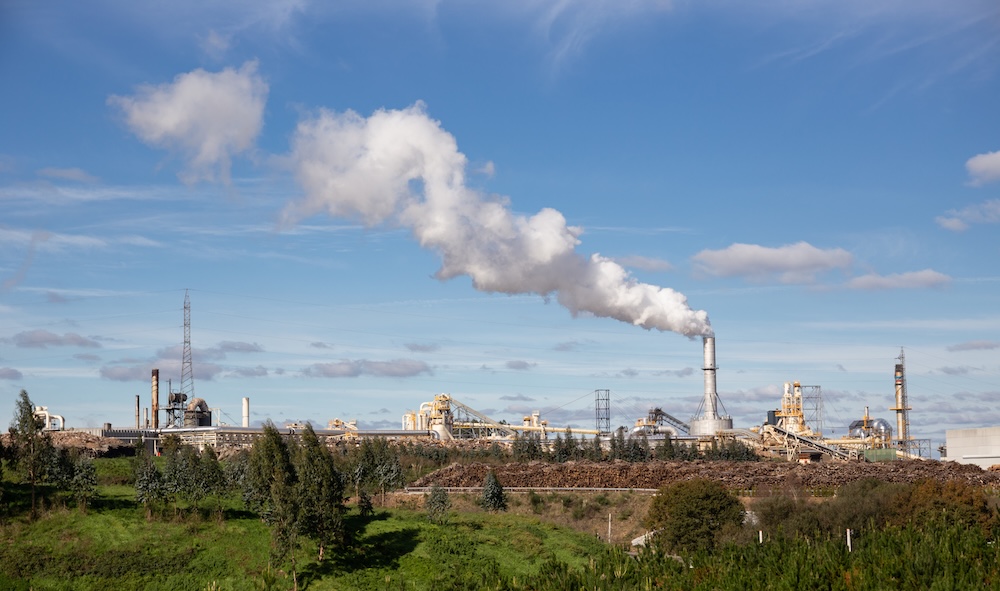
At Brindley Engineering, protecting critical infrastructure is more than compliance — it’s about ensuring long-term operability, safety, and resilience in increasingly complex industrial environments. You may have read our earlier series on Fireproofing that focused on protecting infrastructure and industrial facilities. Let’s take look at how API 2218 is practically applied to chemical and petrochemical facilities and why it plays a central role in modern fire protection planning.
Q: How does API 2218 apply specifically to chemical & petrochemical plants?
A: API 2218, published by the American Petroleum Institute, provides a structured methodology for evaluating where fireproofing is necessary based on realistic fire scenarios — especially pool fires resulting from liquid hydrocarbon releases.
Chemical and petrochemical facilities present unique challenges due to:
- High process densities
- Complex piping and equipment layouts
- Multiple ignition sources
- Large inventories of flammable materials
- Interconnected structural systems supporting critical equipment
API 2218 helps engineering teams evaluate these risks by focusing on credible release scenarios, rather than applying fireproofing uniformly or solely by habit. The result is a targeted, risk-based approach that prioritizes safety while avoiding unnecessary costs.
Q: What does an API 2218 fireproofing assessment typically involve?
A: A comprehensive assessment integrates process knowledge with structural and mechanical expertise to evaluate how a potential fire could impact facility operability and safety. Key steps include:
- Hazard Identification: Engineers review process units to identify potential fuel quantity, loss rates, leak points and release sources, including pumps, flanges, valves, and vessels.
- Hazard Envelope Development: Potential pool fire areas are modeled to determine the likely fire exposure zones around equipment.
- Structural Vulnerability Review: Steel structures, pipe racks, equipment supports, and elevated systems are assessed for potential loss of strength under fire exposure.
- Fireproofing Optimization: Existing fireproofing is evaluated to determine whether it remains necessary, requires repair, or can be safely removed with no increase in risk to the structure.
This systematic approach often reveals that older fireproofing applications no longer align with current risk conditions — creating opportunities for simplification and cost savings.
Q: Why is API 2218 particularly valuable today?
A: Many chemical and petrochemical plants are operating with aging infrastructure while simultaneously pushing for higher reliability and reduced maintenance budgets. API 2218 supports modern facility goals by:
- Improving safety through risk-based decision-making
- Reducing unnecessary fireproofing maintenance
- Supporting inspection and reliability programs
- Aligning facilities with current industry practices
- Enhancing resilience for long-term operations
When fireproofing is applied strategically, facilities can protect critical assets without over-engineering or adding avoidable maintenance burdens.
Q: What role does an integrated engineering team play?
A: Fireproofing decisions sit at the intersection of multiple disciplines. Process conditions determine hazard severity, mechanical systems influence release scenarios, and structural design governs survivability during fire exposure.
Brindley Engineering’s multidisciplinary approach — combining process, mechanical, and structural engineering perspectives — allows teams to:
- Evaluate realistic hazard scenarios
- Balance safety and constructability
- Identify outdated or unnecessary fireproofing
- Improve lifecycle performance of assets
In many cases, assessments uncover deteriorated fireproofing that can be removed instead of replaced, helping facilities reduce future inspection and repair demands while maintaining safe operating conditions.
API 2218 fireproofing assessments are more than compliance exercises — they are strategic evaluations that help chemical and petrochemical facilities improve safety, reliability, and cost efficiency at the same time. As plants evolve and operational demands increase, applying structured, risk-based fireproofing guidance becomes essential for protecting infrastructure and supporting future generations of operations.
Read more about Brindley Engineering’s approach to fireproofing:
- How Brindley Engineering Performs A Post Fire Evaluation
- Q&A With Brindley Engineering On Protecting Infrastructure And Industrial Facilities – Api 2218
- Importance of field evaluations, maintenance programs, repair engineering and design, and QAQC
About Brindley Engineering
Brindley Engineering was founded with a vision to provide the highest level of service to clients in capital & maintenance projects, reliability initiatives, and construction solutions. Our multidisciplinary team of engineers, technicians, and designers helps clients solve complex challenges safely and efficiently.

Share this post