

Brindley Engineering’s Structural Engineering Department Manager, Nick Triandafilou, PE, SE, P. Eng, gives recap of ACI Fall Convention Session: Statistical Evaluation of Concrete Testing Results



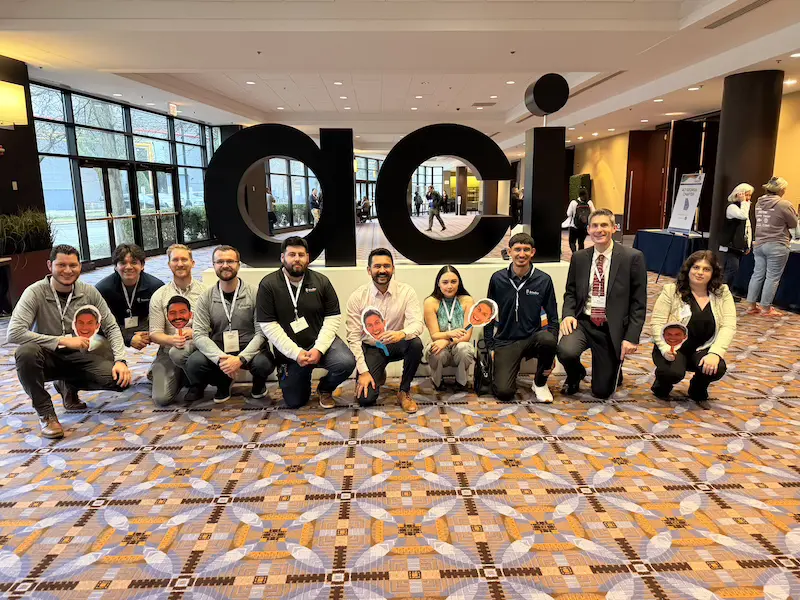
The American Concrete Institute hosted its annual ACI Concrete Convention in Atlanta, GA, on October 11 – 14, 2026 with a robust schedule that included a moderated session by Brindley Engineering’s Nick Triandafilou. The Session: Statistical Evaluation of Concrete Testing Results took placeon October 13th. Nick is the chair of the newly formed Committee 353 “Statistically Based Assessment of Existing Concrete Structures.” We got a great recap from Nick on how the session and overall conference went.
Q: How was the ACI Fall Convention session that you moderated? Were there any surprises?
A: The session was a success! We had a strong turnout, an engaged audience, and five excellent presentations. I knew each speaker would be great given their experience and expertise, but what really stood out to me was how well the presentations complemented one another.
When speakers come from different companies and locations across North America, it can sometimes be challenging to create a session that feels cohesive. Without much coordination, presentations can overlap or cover similar ground. Fortunately, that wasn’t the case here. Each speaker brought a unique perspective, and the presentations seemed to build naturally on one another throughout the session.
If there was a surprise, it was how seamlessly everything came together. By the end of the session, attendees had been exposed to a wide range of ideas and experiences, yet the overall story felt connected from start to finish. As a moderator, it was rewarding to see that happen, and I think it made the session more valuable and enjoyable for everyone involved.
Q: The committee’s mission is to “Develop and disseminate best practices for applying statistical and reliability principles to assessment of existing concrete structures.” What do you think people took away from the session?
A: Licensed design professionals are often tasked with interpreting field investigation data when developing concrete repair or strengthening designs. In many cases, the results may not align with engineering judgment or observed field conditions. While it is important not to dismiss assessment data simply because the results seem questionable, it is equally important not to accept them at face value without critical evaluation.
I believe the audience gained practical insight into how to assess the quality and reliability of testing data, identify potential anomalies, and make informed decisions using sound statistical principles. The session highlighted several techniques that engineers can use to critically evaluate field investigation results and ultimately develop repair solutions that are both technically justified and practically achievable.
Q: What other sessions did you attend?
A: Due to committee meetings, I was unable to attend many of the other technical sessions, but one I did attend was the session honoring James McDonald, a pioneer in the concrete repair industry.
Q: What were your takeaways from those sessions?
A: I gained a deeper appreciation for the impact Mr. McDonald had on our industry and the respect he earned among his peers. Beyond his innovative technical contributions, it was clear that the relationships he built and the lives he touched throughout his career left a lasting legacy. His passion for extending the service life of existing concrete infrastructure continues to influence the profession and will undoubtedly carry forward for generations to come.
Although Mr. McDonald passed away several years ago, it was especially meaningful to see his family members in attendance and to have the opportunity to honor them. Events like this highlight what makes ACI such a special organization. It is both humbling and inspiring to be surrounded by a dedicated community of professionals who come together not only to recognize technical achievements, but also to celebrate the people behind them.
As our industry continues to evolve and technology advances, it will become increasingly important to continue holding sessions like these that recognize both the technical accomplishments and personal contributions of those who have shaped our profession. I left the sessions feeling inspired and grateful to be part of such a meaningful legacy.
To read Nick’s pre-conference Q&A check out the Brindley Engineering Blog.
For more about Brindley Engineering:
Share this post